.jpg)
-1280x320.png)
Implement temporary visa exemptions for foreigners in special categories requiring preferential treatment.
On January 23, 2026, the Prime Minister issued Decision 161/QD-TTg of 2026 promulgating the Plan for implementing the Decree stipulating the temporary visa exemption for foreigners belonging to special categories requiring preferential treatment for socio-economic development.
Purpose:
To clearly define the work content, progress, completion deadlines, and specific responsibilities assigned to each relevant agency and organization in the implementation of Decree No. 221/2025/ND-CP , which stipulates the temporary visa exemption for foreigners belonging to special categories requiring preferential treatment for socio-economic development, ensuring that the implementation of the Decree is timely, comprehensive, unified, synchronized, effective, and in accordance with the law.
In addition, to establish a mechanism for close coordination among ministries, ministerial-level agencies, government agencies, localities, and relevant agencies and organizations in the process of implementing the Decree, thereby strengthening the centralized and unified leadership and management of the Government and the Prime Minister; and at the same time promoting the proactiveness and responsibility of ministries, sectors, and localities in organizing the implementation of assigned tasks.
What are the regulations regarding the form and validity of special visa exemption cards?
According to Article 4 of Decree No. 221/2025/ND-CP, the form and validity of special visa exemption cards are as follows:
(1) Special visa exemtion cards are issued to foreigners who are granted visa-free entry into Vietnam for socio-economic development purposes.
(2) Special visa exemption cards come in two forms: electronic cards and hard cards with embedded chips. Electronic special visa exemption cards and hard cards with embedded chips have the same legal validity. Agencies and organizations have the right to choose to issua either electronic or hard cards with embedded chips to foreigners.
(3) Hard cards with embedded chips are issued when foreigners are already in Vietnam; Having biometric information such as fingerprints and facial images in the National Immigration Database or having a Level 2 electronic identification account; being exempt from visa requirements for a period of 3 years or more. Information stored in the encrypted electronic chip includes: full name; date of birth; gender; nationality; passport number, symbol, date, month, year and place of issuance; facial image; fingerprints; foreigner's identification number (if any).
(4) Foreigners using a special visa exemption card are allowed to enter Vietnam multiple times within the visa exemption period. The visa exemption period is not more than 5 years and is at least 30 days shorter than the remaining validity period of the passport.
(5) Foreigners recommended by agencies or organizations for visa exemption to enter Vietnam for socio-economic development purposes may be considered for a Level 2 electronic identification account upon request.
What behaviors are strictly prohibited in the entry, exit, transit, and residence of foreigners in Vietnam?
According to Article 5 of the Law on Entry, Exit, Transit, and Residence of Foreigners in Vietnam 2014 , the following behaviors are strictly prohibited in the entry, exit, transit, and residence of foreigners in Vietnam:
(1) Obstructing foreigners and relevant agencies, organizations, and individuals from exercising their rights, obligations, and responsibilities as prescribed by law on entry, exit, transit, and residence of foreigners in Vietnam.
(2) Imposing procedures, documents, or fees contrary to the provisions of the Law on Entry, Exit, Transit, and Residence of Foreigners in Vietnam 2014 and other relevant legal provisions; harassing or causing inconvenience in the procedures for entry, exit, transit, and residence of foreigners in Vietnam. (3) Illegally entering, exiting, transiting, or residing in Vietnam; forging or using forged documents to enter, exit, transit, or reside in Vietnam.
(4) Providing fales information or documents to obtain entry, transit, or residence in Vietnam.
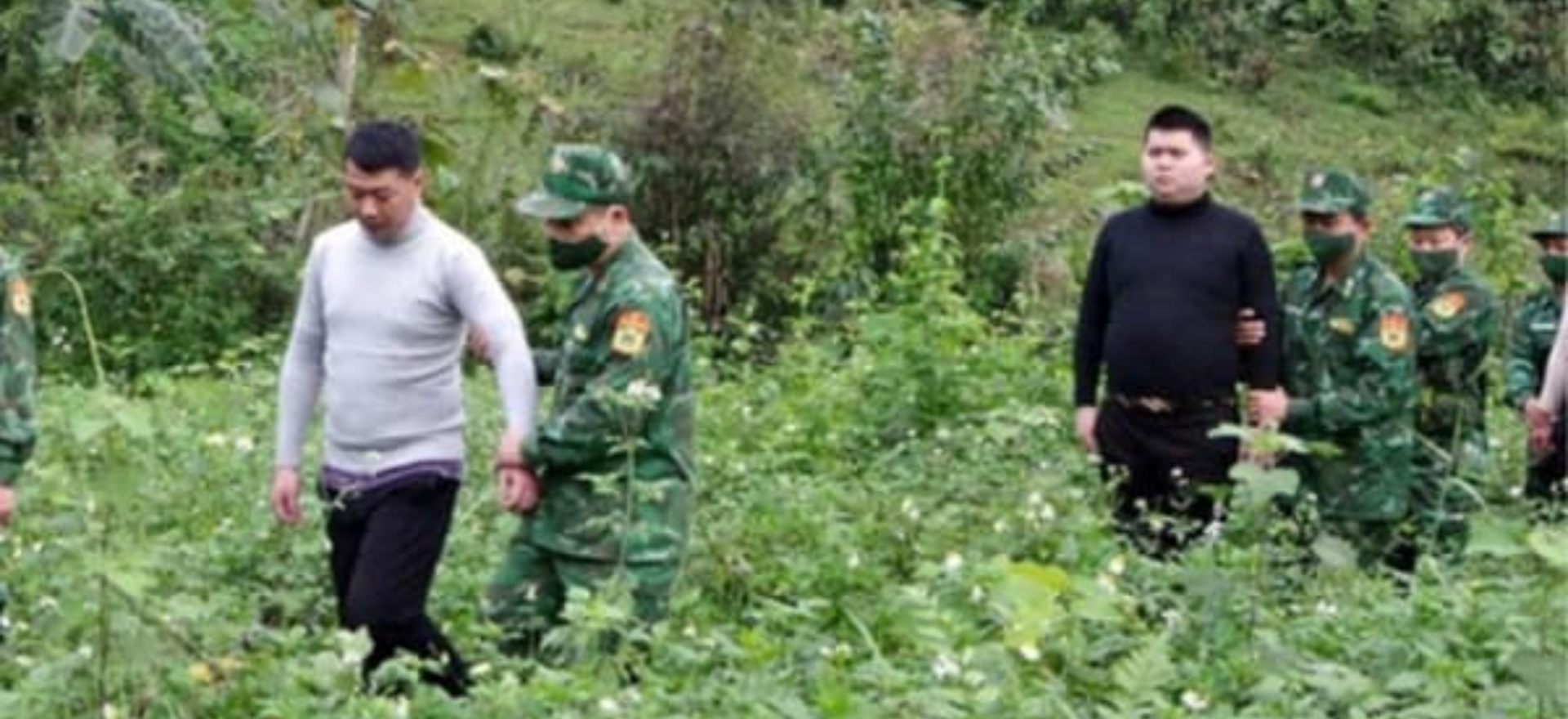
(5) Abusing entry, exit, transit, or residence in Vietnam to oppose the Socialist Republic of Vietnam; infringing upon the legitimate rights and interests of agencies, organizations, and individuals.
(6) Buying, selling, renting, leasing, borrowing, lending, erasing, or altering the content of documents valid for entry, exit, or residence to enable foreigners to enter, exit, transit, or reside in Vietnam.
.png)
.png)


.svg)

.png)
.png)
.png)
.png)
.png)
.png)